House Movers in France
Moving home is one of those moments that feels exciting and demanding at the same time. Whether you are relocating from a city apartment in Paris, a family house in Lyon, a townhouse in Bordeaux, or a holiday property on the Côte d’Azur, choosing experienced house movers in France can make the entire process calmer, safer, and far more organised. A reliable local moving team understands the realities of French property layouts, building access, lift restrictions, narrow village streets, parking rules, and the timing pressures that often come with a move date.
For many customers, the most important thing is not just getting boxes from one address to another. It is knowing that fragile furniture will be handled carefully, that the move will be planned around real access conditions, and that the service will suit the type of property involved. From studio flats and family homes to larger villas and multi-storey townhouses, professional moving support is designed to take the strain off your shoulders while keeping your belongings organised from start to finish.
If you are preparing for a move anywhere in France, this page explains what the service includes, how it works, what affects the cost, and why a local team can be especially useful. Contact us today to request a free quote and start planning your move with confidence.
Local house moving services across France

France is a large and varied country, and that matters when you are planning a move. A house move in central Paris is very different from a relocation in the outskirts of Toulouse, a residential street in Nantes, or a hillside property near Nice. Local conditions can change the way the move is scheduled, how vehicles are positioned, and how long loading and unloading may take.
That is why families, couples, landlords, and businesses often look for house movers in France who know the region well. A local moving team can anticipate practical details such as controlled parking zones, limited access for larger vans, building concierge rules, stairs without lifts, or properties located in narrow old-town streets. These small details may seem simple, but they can have a major impact on the smoothness of moving day.
Professional home removals are not limited to one type of customer. Some people are moving into their first flat. Others are relocating for work, upsizing for a growing family, downsizing after retirement, or moving between regions. There are also customers handling inherited properties, second homes, and furnished rentals. In each case, the right mover should be able to adapt the service to the situation rather than forcing a one-size-fits-all approach.
What is included in a house move?

A good moving service should give you a clear idea of what is included before the first box is packed. While every move is different, most house moving services in France can include a combination of packing assistance, furniture protection, loading, transport, unloading, and placement of items in the new property. Some customers want full support from start to finish, while others only need help with the heavy lifting and transport.
Depending on your needs, the service may include:
- Pre-move planning and an assessment of access, volume, and timing
- Packing support for fragile, bulky, or awkward items
- Protective wrapping for furniture, mirrors, and appliances
- Careful loading using the right equipment and lifting techniques
- Transport in a suitable vehicle for the size of the move
- Unloading and room placement at the destination
- Optional dismantling and reassembly of certain furniture items
- Support for storage moves when dates do not match exactly
Customers often appreciate being able to choose the level of help they need. For example, if you have already packed your personal belongings, you may only want assistance with furniture and appliances. If you are moving with children, working long hours, or relocating on a tight timetable, a more complete removals service can reduce stress significantly.
How house removals work in practice

The process usually starts with a quote request and a discussion about the property, the number of rooms, the type of items being moved, and the access conditions at both addresses. This is important because a move from a ground-floor apartment with close parking is very different from one involving multiple floors, long walks from the vehicle, or difficult entry points. A thorough discussion at the beginning helps avoid surprises later.
Once the service is booked, the moving plan is typically confirmed in detail. This may include arrival time, estimated load size, the order of collection, and whether special items need extra attention. Items such as pianos, large wardrobes, glass tables, artwork, garden furniture, and appliances often require additional care. If the property is in a city centre or in an area with restricted parking, advance planning becomes even more important.
On moving day, the team will usually begin by protecting floors and preparing large furniture for transport. Boxes and loose items are then loaded in a structured way so that fragile goods remain secure and heavier items are safely positioned. After transport, everything is unloaded and placed in the relevant rooms where possible, making the unpacking stage much easier for the customer.
Why a local mover is valuable in France

Hiring local house movers in France offers practical benefits that go beyond simple convenience. A local company is more likely to understand the character of the neighbourhood, the usual traffic patterns, and the types of buildings commonly found in the area. That matters whether you are moving into a modern apartment block, a converted farm property, or a traditional stone house in a village centre.
Local knowledge can help with:
- Managing access to older streets and tight turns
- Planning around parking restrictions or loading zones
- Handling apartment blocks with lifts, codes, or concierge rules
- Moving in busy urban areas with limited stopping space
- Understanding rural roads, hill access, and seasonal traffic
There is also value in working with movers who know how different property types in France affect the move. A Parisian fifth-floor walk-up, a suburban maison, and a countryside home with external steps all create different challenges. A local team can adapt the removal plan around the real conditions of the property, which often leads to a better experience for the customer.
Suitable for residential and commercial needs
Although most people think of house removals as a residential service, many moving companies in France also support small commercial relocations. This can include moving office furniture from a home office, relocating stock from a retail space, or helping a business owner shift equipment from one premises to another. For customers who work from home, this can be especially useful when the move includes both household and business items.
Areas covered and common move types
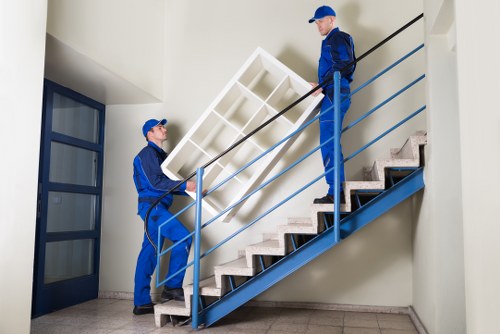
House movers in France typically serve a wide area rather than a single street or district. The exact coverage depends on the team, but many local moving services handle moves within major cities, surrounding suburbs, nearby towns, and regional routes. In practice, this means support for urban, suburban, and rural moves alike.
Common locations and move types can include:
- City flats and apartments in Paris, Marseille, Lyon, Lille, and Toulouse
- Family homes in Bordeaux, Nantes, Rennes, Montpellier, and Strasbourg
- Coastal properties in areas such as the Côte d’Azur, Brittany, or the Atlantic coast
- Village houses and rural homes in the countryside
- Second homes and seasonal properties used part-time
- Tenant moves, landlord-supported moves, and property clearance situations
Many customers are also moving between regions, such as from ÃŽle-de-France to Provence, from Lyon to the west coast, or from one department to another for work, family, or lifestyle reasons. Cross-country removals require a team that can coordinate transport timing and keep the move well organised even when the journey is longer than a local transfer.
Preparing for moving day
Good preparation can save time and reduce stress, especially if you are moving with children, pets, or a busy schedule. Even when you have booked professional movers, there are a few simple steps that make the whole process easier.
Preparation checklist:
- Sort items into keep, donate, recycle, and dispose piles.
- Pack personal essentials separately for easy access.
- Label boxes clearly by room and content.
- Empty freezers, fridges, and appliances in advance if required.
- Measure doorways, staircases, and large items in both properties.
- Reserve parking or notify building management if needed.
- Keep important documents, keys, and valuables with you.
If you are moving from an apartment in a city centre, think carefully about the time allowed for loading and unloading. In some French buildings, access times may be limited, and there may be rules about lift use, quiet hours, or where the vehicle can stop. In rural settings, the challenge may be different: long driveways, uneven ground, narrow lanes, or limited turning space for larger vans.
Packing tips for fragile and valuable items
Fragile items should be packed with enough cushioning to prevent movement during transport. Plates, glasses, ornaments, framed pictures, and electronics need particular care. If you are not confident about packing these yourself, a professional packing service can be a smart option. It saves time and reduces the risk of damage caused by poor boxing or overloaded containers.
Pricing factors for house moving services
Every move is different, so house moving costs in France depend on several factors rather than a single fixed number. The final price is usually shaped by the amount of furniture and boxes, the distance between properties, the access conditions, and whether extra services are needed. This is why a proper quote is so useful: it reflects the real details of your move rather than a rough estimate that may not fit your situation.
Common pricing factors include:
- Volume of goods being moved
- Distance between collection and delivery addresses
- Floor level and lift access at each property
- Parking access and walking distance from vehicle to door
- Special items such as pianos, large wardrobes, or fragile pieces
- Packing and materials if these are included
- Storage requirements if dates do not align
- Timing, such as weekend or peak-period moves
Customers should always ask what the quote includes so they know what to expect. If you need dismantling, wrapping, or extra handling for awkward furniture, it is better to discuss those details before moving day. That way, the team can plan the right crew size, vehicle space, and time needed for the job.
Why customers choose professional house movers
Moving a house or apartment may seem manageable at first, but once you start carrying furniture, navigating stairs, and organising transport, the value of professional help becomes clear. A trained moving team brings experience, equipment, and structure to a task that can otherwise become physically demanding and time-consuming.
Key benefits include:
- Less physical strain and safer lifting
- Reduced risk of damage to furniture and property
- More efficient use of time on moving day
- Better handling of heavy, bulky, or fragile items
- Clear planning around access and transport
- Support for difficult moves, including upper-floor homes
There is also peace of mind in knowing that the move is being managed by people who do this work regularly. Whether you are moving from a small flat or a larger family home, having experienced help can make the transition feel much more manageable. For many customers, that is the main reason to book a professional service rather than trying to organise the move alone.
What makes moving in France different?
France has a wide range of property styles and local conditions, and those differences affect the move. Apartment buildings in dense urban areas may have narrow lifts or no lift at all. Older houses can have steep staircases, low door frames, or uneven interior floors. In many towns and villages, the streets were not designed for modern moving vehicles, which means access needs to be considered carefully.
Seasonal travel can also influence the moving experience. Holiday traffic, market days, school holiday periods, and local events may all affect journey times or parking availability. In coastal and tourist areas, access may be especially busy at certain times of year. A locally experienced mover understands these practical realities and can work around them more effectively.
For customers moving between departments or regions, transport timing and route planning become even more important. A well-organised move should account for collection times, delivery windows, breaks where needed, and the condition of the road network on the day. This is especially useful when moving a full household rather than just a few boxes.
Support for apartment moves
Apartment moves often involve restrictions that are easy to underestimate. These may include lift booking rules, narrow staircases, limited parking, or timing restrictions imposed by the building. Professional movers know how to work with these conditions and reduce delays where possible.
Commercial and specialist moving support
While the focus may be on home removals, many moving teams in France also assist with small-scale commercial relocation. This can be helpful if you are a freelancer, a remote worker, a shop owner, or someone moving equipment between a house and a workplace. Office chairs, desks, archive boxes, and display materials can often be moved alongside household goods, provided the service has been planned correctly.
Specialist items may need extra preparation. For example, a large mirror might require reinforced wrapping, and a marble-topped table may need special handling. Garden furniture, washing machines, American-style fridges, and bulky outdoor items may also call for careful manoeuvring and suitable loading equipment. The aim is to move everything safely without unnecessary strain on the customer or the property.
If storage is needed between homes, this can also be arranged as part of the moving plan. Temporary storage is often useful when completion dates change, when one property is not ready yet, or when you are downsizing and want more time to decide what stays. A flexible moving approach makes it easier to manage real-life delays and changing schedules.
Choosing the right house moving company
When comparing moving services, look beyond the headline and think about practical fit. The best company for your move should understand your property type, your schedule, and any access challenges that may affect the day. A mover who asks good questions early is often better prepared to handle the move smoothly.
Useful questions to ask before booking:
- What is included in the service?
- Can you handle stairs, lifts, or tight access?
- Do you offer packing or furniture dismantling?
- How do you manage fragile or bulky items?
- Can you help with storage if dates change?
- Do you move both households and small business items?
It is also sensible to check whether the team is used to working in both cities and rural locations. A mover experienced in French urban apartments may be very different from one used to village houses or larger properties with long driveways. Choosing a company that understands the type of move you are making can save time and reduce avoidable problems.
Frequently asked questions
Below are answers to questions that customers commonly ask when planning a home move in France.
How early should I book house movers in France?
It is best to book as early as possible, especially if your move is happening at a busy time of year. Month-end dates, school holidays, and summer relocations can fill up quickly. Early booking also gives more time to plan access, packing, and special requirements.
Can movers help if I only need part of the service?
Yes. Many customers only want assistance with the heavy furniture, transport, or loading and unloading. If you have already packed your smaller items, you can usually request a tailored service that fits your needs.
What if my property has no lift?
That is very common in France, especially in older buildings. A professional team can work with stair access, although it is important to mention this during the quote stage so the move can be planned correctly.
Do movers handle long-distance relocations within France?
Yes, many do. Whether you are moving within the same city or from one region to another, the service can be adapted to the journey length and volume of goods.
Can I move on a weekend?
Weekend moves may be possible depending on availability. Some customers prefer them because they reduce disruption to work or school routines. It is advisable to check in advance, as these dates can be in demand.
What should I do with fragile or valuable items?
Keep important valuables with you where possible, and make sure delicate items are packed securely. If you have items that need extra protection, ask about specialist packing or handling before moving day.
Book your moving service with confidence
Whether you are moving across town or across the country, the right moving company can turn a complicated day into a well-managed transition. A dependable service should offer clear communication, practical planning, careful handling, and support that reflects the realities of living and moving in France. From compact apartments to large family houses, every move deserves the same attention to detail.
If you are ready to move, now is the time to get organised. Request a free quote, discuss your property details, and ask about the service level that suits your situation best. The sooner the plan is in place, the easier it becomes to prepare for moving day with less stress and more confidence.
Contact us today to arrange your house removal service, and book your move with a team that understands local conditions, practical access challenges, and the needs of customers across France.