Commercial Moves in France
Commercial moves in France for offices, shops, and workplaces
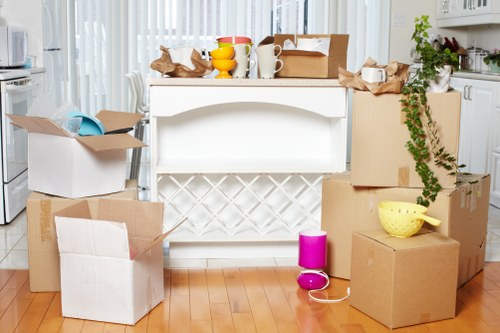
Commercial moves in France require much more than loading boxes into a van and driving from one site to another. When a business is relocating, every hour matters, every item has a purpose, and every stage has to be coordinated with care. Whether you are moving a small office, a retail unit, a clinic, a warehouse section, or an entire multi-floor workplace, the goal is always the same: keep disruption low, protect equipment, and get the business operational again as quickly as possible.
For local companies across France, the move itself often has to work around busy streets, older buildings, limited lift access, controlled entry points, shared courtyards, and parking restrictions. That is especially true in city centres, business parks, historic neighbourhoods, and mixed-use areas where residential and commercial properties sit side by side. A local team that understands these conditions can make the difference between a smooth transition and a stressful one.
Businesses looking for commercial moves in France are usually focused on practical questions: How long will the relocation take? What can be moved outside business hours? How do we protect sensitive documents and IT equipment? Can furniture be dismantled and rebuilt? What happens if access is tight? This page is designed to answer those questions in a clear, customer-friendly way so you can plan with confidence and request a quote when you are ready.
Why local commercial moving support matters

France has a wide variety of business settings, and each one presents its own moving challenges. A shop in a busy town centre may need an early morning move to avoid trading hours. An office in a modern business district may have lift bookings and building rules to follow. A company operating from an older townhouse or converted property may have narrow staircases, protected floors, and awkward access for large items. These details affect planning, manpower, vehicle choice, and timing.
A local commercial moving company is valuable because it understands these realities before the move even begins. It can anticipate bottlenecks, suggest the best collection and delivery windows, and plan around traffic patterns, restricted zones, and parking limitations. This practical knowledge helps reduce delays and protects your staff from having to manage tasks they are not trained or equipped to handle.
Local experience also matters for business continuity. When a move is planned with the local environment in mind, your team can keep working longer, reopen sooner, and avoid unnecessary downtime. That is important for offices handling client calls, retail stores needing stock back on shelves, and service businesses that cannot afford long interruptions.
Types of commercial relocations we support

Commercial relocations are not all the same. A small design studio moving across the same town needs a different approach from a distribution operation relocating part of its stockroom. A local team should be able to adapt to each type of premises and business model. Typical moves may include:
- Office relocations for teams of all sizes
- Retail moves including shops, boutiques, showrooms, and pop-up spaces
- Warehouse and storage transfers
- Hospitality moves for restaurants, cafés, bars, and guest-facing premises
- Healthcare and professional premises such as clinics, consulting rooms, and practice offices
- Light industrial and trade premises
- Multi-site business transfers where items are moved between branches or depots
Many businesses also need partial moves rather than a full relocation. That may mean moving only archived files, a new set of desks, specialist equipment, point-of-sale units, or seasonal stock. A flexible service can handle single-item transfers as well as full commercial property moves, which is useful for companies that are expanding gradually or reorganising in stages.
In busy towns and cities, commercial customers often share building access with residents or other businesses. That can create timing constraints, loading bay issues, and noise considerations. Planning the move carefully keeps things respectful for neighbours while helping your business stay on schedule.
What is typically included in a commercial move
Every business has different requirements, but a strong commercial moving service generally includes a mix of planning, packing support, transport, handling, and reinstallation. The aim is to reduce risk and make the process more organised from start to finish.
Common elements of the service may include site assessment, route planning, and scheduling around your preferred working hours. If your premises are in an area with controlled access, narrow roads, or limited kerbside space, this planning step becomes even more important. For example, a move from a city-centre office or a building close to a historic district may need special attention to vehicle access and item movement distance.
Other typical inclusions can be dismantling desks, packing office contents, protecting furniture, labelling items by department or floor, moving boxes and equipment, and placing items in the correct locations at the new premises. In many cases, the service also includes assistance with heavy or awkward items such as cabinets, screens, shelving, reception furniture, and specialist workstations.
Useful add-on support many customers ask for
Depending on the business, additional support may include:
- Careful packing of files, office supplies, and non-sensitive contents
- Handling of IT equipment with extra care and clear labelling
- Disassembly and reassembly of modular furniture
- Moves scheduled outside normal opening hours
- Transport planning for larger premises or multi-trip relocations
- Placement of items by department, room, or function
Tip: If your move includes equipment that must be disconnected or reconnected by a specialist, it is best to plan that separately so the moving day runs efficiently.
How the process usually works

A well-run commercial move should feel structured, not chaotic. Most businesses appreciate a clear sequence so that staff know what to expect and managers can keep control of the timeline. While every project is different, the process usually follows a few practical stages.
1. Initial discussion and planning
The first step is usually to talk through your current premises, destination, inventory, timing needs, and any access concerns. This is when you can mention stairs, lifts, limited parking, delivery windows, loading restrictions, and any items that need special handling. It is also a good time to identify your priorities, such as moving departments in a certain order or reopening the reception area first.
2. Preparation and labelling
Before moving day, businesses often label boxes, drawers, files, and furniture so they can be placed correctly at the new location. This simple step saves time and reduces confusion during setup. If different teams are moving into different rooms or floors, clear labels are especially useful. A good label system can help staff find their essentials quickly and reduce interruptions after the relocation.
3. Moving day execution
On the day itself, the team works methodically to protect floors, move items safely, and keep the operation moving. Heavy or bulky items are handled with the right equipment, and items are loaded in a sequence that makes sense for delivery and unloading. In a commercial setting, timing is often critical, so the goal is always to work efficiently while still treating every item with care.
4. Delivery and placement
Once at the new premises, items are unloaded and placed in the right area where possible. That may mean reception, meeting rooms, storage areas, open-plan desks, or back-of-house spaces. Businesses often value this part of the service because it saves staff from having to sort through piles of boxes after a long day.
Planning around France’s property types and access challenges
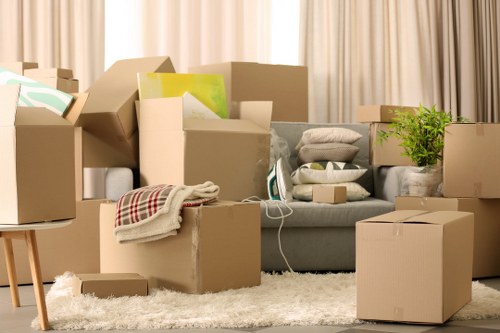
France offers a broad mix of commercial premises, and that mix influences how a relocation should be planned. A business may be moving from a modern office building in a commercial zone, a retail unit on a narrow street, a converted apartment used as a professional office, a warehouse with shared yard access, or a ground-floor premises in a residential neighbourhood. Each setting comes with different rules and practical limits.
In older town centres, for instance, access can be tighter than expected. Parking may be limited, and moving vehicles may not be able to stop directly outside. That means longer carrying distances, better timing, and more careful handling. In some newer business districts, the challenge may be building management rules, reserved bays, and advance booking for lifts or loading points. These are the kinds of details that a local moving team should plan for early.
Commercial customers in France also frequently operate in mixed-use areas where residents live above shops or alongside offices. In those places, keeping noise, blocking, and disruption to a minimum is important. Coordinating the move at the right hour and using an efficient loading process helps maintain good relations with neighbours and building managers.
Examples of access issues that may affect the move
- Narrow streets or one-way roads
- No on-site parking or restricted loading zones
- Lift booking requirements in office buildings
- Stairs, tight corners, and low ceilings in older properties
- Shared entrances or courtyard access
- Distance between the vehicle and the front door
Planning ahead around these issues is one of the main reasons businesses choose a local team for commercial moves in France.
What businesses should prepare before moving day
Good preparation helps the move go faster and reduces the chance of confusion after delivery. The more organised the business is before moving day, the easier it becomes to return to normal operations. A sensible preparation checklist can make a real difference, especially for busy offices or customer-facing premises.
Preparation checklist
- Confirm the moving date and preferred access times for both properties.
- Decide which items are moving first and which can follow later.
- Label boxes by department, room, or person.
- Back up important digital files before any equipment is disconnected.
- Separate items that staff will transport themselves, if any.
- Clear walkways and storage areas before the team arrives.
- Notify building management where required.
- Arrange keys, access codes, permits, or loading approvals in advance.
For retail and hospitality businesses, stock movement needs special attention. Fragile items, high-value merchandise, display units, and back-of-house supplies may all need different packing methods. For offices, confidential files and workstation contents should be organised in a way that supports privacy and continuity.
If your business operates with strict opening hours, plan the move so essential functions can resume as early as possible. That may mean a staged move, an evening relocation, or a weekend schedule depending on the site and the nature of the work.
Pricing factors for commercial relocations
Customers often want to know what affects the cost of a commercial move. While exact pricing depends on the project, there are several common factors that influence the final quote. Understanding these helps businesses compare services fairly and plan their budget more accurately.
Main factors that affect cost
- Size of the move and total volume of items
- Distance between the old and new premises
- Access conditions at both locations
- Time required for dismantling, loading, transport, and unloading
- Special handling needs for fragile or bulky items
- Number of staff needed on moving day
- Timing, especially if the move must happen outside regular business hours
- Multi-stop or staged relocations
Some businesses also need temporary storage between locations, phased moves, or separate transport for different departments. These elements can all affect planning and cost. A clear inventory and a realistic schedule help avoid surprises later in the process.
Why clear quoting matters
A detailed quote should reflect the actual work involved, not just the distance between buildings. That is especially important for commercial removals where the real effort is often in access, handling, coordination, and timing. When you request a quote, be ready to describe your premises, the type of business, the items involved, and any special requirements.
Request a free quote when you are ready to compare options for your relocation. A good provider will want enough detail to plan accurately and recommend the right approach.
Why choose a local company for commercial moves in France
There are real advantages to working with a local company rather than treating the move as a generic transport job. Local providers are often better placed to understand the streets, the building styles, the parking rules, and the operational realities of nearby towns and business districts. That local familiarity can save time and reduce stress.
For example, a local team may already know how to handle city-centre collections, loading bay restrictions, or access to business parks around larger urban areas. It may also be better prepared for moves involving historic buildings, converted premises, or mixed-use locations where commercial and residential access must be carefully managed.
Local support can also help when schedules are tight. If you need to move during a narrow window, a company with regional experience is more likely to plan realistically and adapt quickly if the building access changes or the weather causes delays. That flexibility is often valuable for businesses trying to reduce downtime and protect customer service.
Benefits business customers usually value most
- Practical knowledge of local access and parking
- Efficient scheduling around business hours
- Careful handling of office furniture and equipment
- Support for both small and large relocations
- Better coordination for mixed-use and multi-floor properties
- A more straightforward way to organise a quote and move date
Book your service now if you are planning a relocation and want a team that understands how commercial moves work in France.
Areas covered across France
Commercial relocations can be arranged for a wide range of locations across France, including urban centres, suburbs, industrial districts, retail streets, and business estates. This kind of service is often needed by companies in and around major cities as well as smaller towns where local access knowledge is essential.
Areas commonly served may include central business districts, commercial zones, out-of-town office parks, industrial estates, and mixed residential-commercial neighbourhoods. The exact logistics will depend on your premises and your destination, but the same principle applies everywhere: careful planning, safe handling, and minimal disruption.
Whether your business is moving within the same town, across a wider metropolitan area, or between regions in France, a local and experienced moving team can help you shape the move around your operational needs. If your business has multiple locations, it may also be possible to coordinate work between branches so that stock, furniture, or files arrive in the right order.
Typical premises types in the service area
- Office blocks and serviced offices
- Shopfronts and retail units
- Clinics and professional practices
- Restaurants, cafés, and hospitality spaces
- Warehouses, storage units, and depots
- Converted buildings and mixed-use properties
FAQs about commercial moving services
Can commercial moves be arranged outside normal business hours?
Yes, many businesses prefer early morning, evening, weekend, or phased moves to reduce disruption. This is often useful for offices, retail units, and customer-facing premises that cannot shut down for long.
How far in advance should I plan a business move?
It is best to start planning as early as possible, especially if the move involves several departments, specialist equipment, or access restrictions. Early planning gives you more time to organise labels, schedules, and building approvals.
What if my premises have difficult access?
That is common in many parts of France. Narrow streets, stairs, lifts, and restricted parking can usually be managed with the right planning. Make sure to mention these details when requesting a quote so the move can be scheduled properly.
Can the move be split into stages?
Yes. Many commercial customers prefer staged relocations so they can keep part of the business operating while another section is moved. This is often a practical option for larger offices or businesses with public-facing areas.
What should I do with confidential documents?
Confidential files should be sorted, secured, and labelled clearly before the move. Many businesses keep sensitive items separate so they can be handled according to their own internal policies.
Will furniture need to be dismantled?
Sometimes yes, especially for desks, shelving, modular storage, and larger items that cannot safely pass through doors or stairwells in one piece. Dismantling can also help protect the furniture and speed up loading.
How do I know what size service I need?
The best way is to list the furniture, boxes, equipment, and access conditions at both sites. A business that provides commercial moves in France should be able to recommend the right approach based on that information.
Commercial moves in France made simpler for busy businesses
Relocating a business is rarely just a transport job. It is a project that affects staff, customers, operations, equipment, stock, and timelines. That is why choosing a team that understands commercial moves in France is so helpful. The right approach keeps the process organised, protects your assets, and helps your business get back to work sooner.
Whether you are moving a small office, a retail space, a professional practice, or a larger commercial premises, the most important thing is a plan that reflects your site, your schedule, and your priorities. A local team can help you deal with access, parking, building rules, and the practical details that often decide how smooth the day feels.
Contact us today to discuss your move, ask questions about the process, or request a free quote. If you are ready to take the next step, book your service now and start planning a relocation that supports your business from day one.