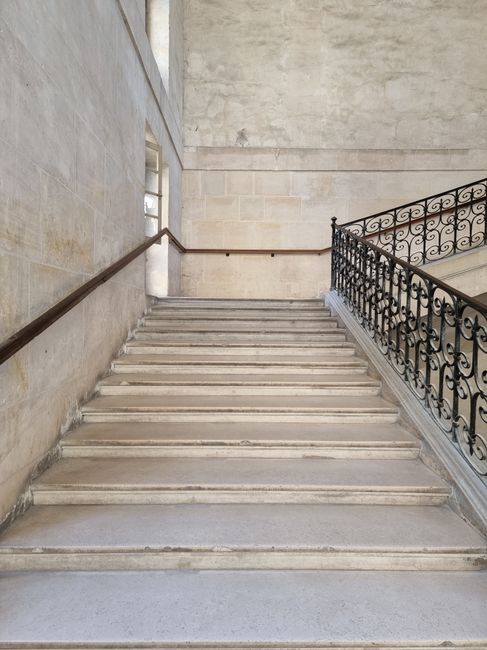
Paris 75001 Flat Removals Guide for Narrow Staircases
Moving out of a flat in Paris 75001 sounds simple enough until you meet the staircase. Then it becomes a different job altogether. Tight turns, low ceilings, awkward landings, heavy furniture, and neighbours who would very much like the whole thing to be quiet before breakfast. This Paris 75001 flat removals guide for narrow staircases is designed to help you plan the move properly, avoid damage, and keep the day calm rather than chaotic.
Whether you are leaving a classic Haussmann-style apartment, a compact studio near the river, or a top-floor flat with barely enough room to breathe on the stairs, the basic approach is the same: measure carefully, remove the right items, protect the building, and use a team that understands difficult access. If you need broader moving support, it can help to look at home moves, removal services, or man and van options before you decide how much help you really need.
In a district like the 1st arrondissement, the details matter. A sofa that looks fine in your lounge may be impossible to pivot on a narrow turn. A wardrobe may fit in the lift, if there is one, but not down the stairwell. Truth be told, the best removals are usually won before moving day even starts.
Table of Contents
- Why narrow staircases matter in Paris 75001
- How a staircase move works in practice
- Key benefits and practical advantages
- Who this guide is for
- Step-by-step moving guidance
- Expert tips for difficult access
- Common mistakes to avoid
- Tools, resources and recommendations
- Law, compliance, standards and best practice
- Options and comparison table
- Case study or real-world example
- Practical checklist
- Conclusion
- Frequently asked questions
Why Paris 75001 flat removals guide for narrow staircases Matters
Narrow staircases change everything. They increase the time needed to move items, raise the risk of scratches and knocks, and make the physical effort much higher than in a standard house move. In Paris 75001, where many buildings are older and access can be quite limited, this is not a minor detail. It is the main event.
Staircases with sharp turns or decorative banisters can force removals teams to change their grip, rotate furniture upright, or split larger items down into smaller parts. That sounds manageable, and often it is, but only if the team has planned for it. Without planning, people start improvising on the spot, and that is usually when damage happens. Door frames get chipped. Paintwork gets marked. Fingers get trapped. Not ideal, obviously.
The reason this matters to you is simple: the cost of doing it badly is usually higher than the cost of preparing properly. A careful move is not just about strength. It is about timing, measuring, sequencing, and choosing the right equipment. If you are comparing different providers, checking pricing and quotes early can help you understand whether difficult access has been factored in from the start.
There is also a human side to it. Narrow staircases make a move feel more stressful because people can see the challenge in front of them. You hear the bump of a mattress against the wall, the scrape of a trolley wheel, the little pause while everyone works out the next angle. That is exactly why preparation changes the mood of the day so much.
How Paris 75001 flat removals guide for narrow staircases Works
A staircase move usually works in stages. First comes the assessment. Then preparation. Then the physical move. Finally, the check-out and close-up. Simple on paper, a bit less simple in real life.
1. Assess the access
The most useful question is not "Will it fit?" It is "How will it fit?" Measure the staircase width, the landing depth, the height of the ceiling at each turn, and the size of the largest items. Look for rails, radiators, awkward lights, and sharp corners. In older Paris flats, one unusual feature can change the whole moving plan.
2. Decide what needs disassembly
Flat-pack wardrobes, bed frames, large tables, and some sofas are much easier to move in sections. Removing legs, shelves, or headboards can make an object suddenly manageable. A good team will always decide this before the lifting starts, not halfway down the stairs when everyone is already sweating.
3. Protect the building
Good removals practice means protecting the staircase, bannisters, wall corners, floors, and door surrounds. This is especially important in shared buildings where the stairwell is part of the common property. Protective covers, blankets, corner guards, and floor runners all reduce risk. Small things, big difference.
4. Move in the right order
Large items usually go first, while the stairs are clear and everyone still has energy. Boxes then follow in a controlled sequence. Fragile items should not be left until the end simply because they are awkward; that is how people become careless. Better to keep a rhythm and stay methodical.
If the route is particularly difficult, a team may recommend a removal van or even a broader removals van setup depending on volume, access, and parking. For smaller loads, a man with van arrangement can be practical, though it still needs proper planning when stairs are tight.
Key Benefits and Practical Advantages
There are real advantages to handling a narrow-staircase move properly, and they go beyond avoiding a few scuffed walls.
- Less risk of damage: Furniture, floors, and paintwork are better protected when items are sized and wrapped properly.
- Less stress on moving day: Clear planning reduces the panic of trying to squeeze a sofa through a landing that was clearly designed by someone with a cruel streak.
- Better use of labour: The crew can move more efficiently when they know which items need dismantling and which route to use.
- Fewer delays: A measured plan helps avoid repeated failed attempts on the staircase.
- Safer handling: There is less chance of slips, twists, and dropped loads.
- Cleaner handover: If you are leaving a rental flat, a careful move helps you return the property in better condition.
Another advantage is psychological. A well-run move feels organised, and that matters more than people admit. You sleep better the night before. You stop dreading the staircase. Small win, but still a win.
Who This Is For and When It Makes Sense
This guide is for anyone moving from a flat in Paris 75001 where access is not straightforward. That includes tenants, owners, students, expats, professionals, landlords dealing with an end-of-lease clearance, and anyone shifting bulky furniture in a building with old stairs and limited lift access.
It makes particular sense if you:
- live above the ground floor in an older building
- have a spiral or sharply turning staircase
- own large or fragile items such as mirrors, wardrobes, or white goods
- need to move without causing disruption to neighbours
- are working to a strict handover time
- have limited time to dismantle and pack properly
It also helps if you are comparing service levels. Some moves only need loading help and transport. Others need full packing, dismantling, and careful stair handling. If that sounds like your situation, take a look at packing and unpacking services or a more complete house removals solution. For businesses moving equipment from a converted flat or office, commercial moves may be the more relevant path.
Step-by-Step Guidance
Here is the practical version. No fluff.
- Measure the route. Check the staircase, landings, door widths, and the largest items. Write it down. Memory gets creative under pressure.
- List the bulky pieces. Mark anything that may need dismantling: beds, wardrobes, desks, mirrors, shelving, and large appliances.
- Confirm building access. Find out whether there is a lift, whether it is usable on moving day, and whether the stairwell has any restrictions.
- Check parking and loading access. A narrow street can make the move harder even before anyone touches a box.
- Sort packing materials. Use blankets, tape, mattress covers, cardboard corner protection, and strong boxes. Weak boxes on stairs are a bad joke.
- Decide what to dismantle. If an item becomes safer and lighter in parts, take it apart early.
- Protect the property. Cover floors and vulnerable wall edges before the first item moves.
- Move large items first. Keep the staircase clear and the team coordinated.
- Handle one item at a time. It sounds obvious, but people do try to cheat this rule.
- Do a final sweep. Check for screws, fixings, labels, and anything left in cupboards or behind radiators.
If you are working with movers, make sure they understand the route before arrival. A short message with photos of the staircase can save a lot of guesswork later. A slightly boring five-minute briefing can save a very un-boring two-hour problem.
Expert Tips for Better Results
In our experience, narrow staircases reward calm method more than brute force. Here are the tips that tend to matter most.
Use photographs during the survey
Images of the staircase, landings, and entrances help the team judge angles before they arrive. A wide-angle photo from the bottom and top of the stairs is often enough to flag the biggest issues.
Keep the route clear the night before
If you can, move shoes, bins, cleaning gear, and loose items out of the way. It sounds basic, but clutter on a landing can ruin the turning space needed for a chair or mattress.
Wrap before lifting, not after
By the time a sofa is half on the staircase, it is too late to start wrapping properly. Protection should already be in place.
Use a lead person
One person should direct the move on stairs. Too many voices create hesitation. One clear instruction is worth five uncertain suggestions.
Plan for pauses
Stair moves are rarely smooth all the way through. Short stops to reset grip, check corners, or wait for a landing to clear are normal. That is not a failure. That is the job.
And yes, sometimes the best decision is to stop and change tactics. There is no award for stubbornness in removals. Well, not a useful one anyway.
Common Mistakes to Avoid
Most staircase move problems are predictable. That is the annoying part. The good news is that predictability makes them easier to prevent.
- Not measuring properly: Guesswork is the enemy of tight access.
- Forgetting landings: A staircase may be wide enough, but the landing turn may not be.
- Leaving dismantling too late: Furniture should be taken apart before the pressure starts.
- Using poor packing: Thin boxes and loose wrapping can fail at the worst moment.
- Ignoring the building rules: Shared entrances and stairwells often need extra care and coordination.
- Underestimating parking limits: If the van cannot load close enough, the move gets longer and riskier.
- Assuming a lift solves everything: Many lifts are too small, too slow, or not suitable for bulky items.
The most common mistake, though, is thinking the stairs will somehow be easier on moving day than they looked during the visit. They will not. They usually feel narrower. Funny how that works.
Tools, Resources and Recommendations
For a staircase-heavy flat move, the right kit matters more than people expect. You do not need a truck full of gadgets. You do need the basics done well.
- Furniture blankets: Useful for protecting corners and bannisters.
- Straps and carrying aids: These help with control and balance on stairs.
- Mattress covers: Good for keeping large soft items clean and easier to grip.
- Strong tape and markers: Handy for labelling parts after dismantling.
- Corner protectors: Helpful in older flats where walls show every bump.
- Sturdy boxes: Better than overfilled, weak boxes that sag halfway down a staircase.
- Basic tools: Screwdrivers, Allen keys, and a small toolkit for beds and shelving.
For logistics, a standard moving van can suit many flat removals, while larger homes or more complex jobs may need a moving truck or a more flexible removal truck hire arrangement. If you are still comparing providers, the removal company page and the broader removal companies overview can help you think through service levels, rather than just price.
One practical recommendation: ask whether the team has handled older buildings and narrow stairwells before. Experience with awkward access is not a nice-to-have. It is the whole point.
Law, Compliance, Standards, or Best Practice
For a move like this, the most important compliance concerns are usually safety, building protection, insurance, and fair handling of property. Exact rules can vary depending on the building, the tenancy agreement, and the operator involved, so it is wise to check the practical details rather than assume.
In the UK, good moving practice normally includes risk-aware manual handling, suitable lifting methods, clear communication, and proper insurance for goods in transit and public liability where relevant. In a French setting, older apartment buildings may also have shared-space expectations, quiet-hour sensitivities, and narrow access rules that should be respected. If a building manager has instructions about lift booking, stair protection, or loading times, follow them carefully. That bit is boring, yes, but it avoids disputes.
It is also sensible to review the mover's own policies. A company that explains its approach to health and safety, insurance and safety, terms and conditions, and payment and security is usually making the process more transparent, which is exactly what you want when access is tricky.
Environmental care can matter too. If you are clearing unwanted furniture or broken items, check whether furniture pick up or recycling and sustainability options fit your situation. Good removals are not only about getting things out. They are about handling them responsibly.
Options, Methods, or Comparison Table
Different access challenges call for different approaches. Here is a simple comparison to help you decide what makes sense.
| Method | Best for | Strengths | Limitations |
|---|---|---|---|
| Full-service flat removal | Busy households, bulky furniture, time-sensitive moves | Less stress, more support, better staircase handling | Usually the highest-cost option |
| Man and van | Smaller flats, lighter loads, fewer bulky items | Flexible, often cost-effective, good for short routes | Less suitable for large furniture unless access is carefully planned |
| Van plus dismantling help | Mixed loads with tricky stair turns | Balanced approach, practical for old buildings | Requires clear preparation beforehand |
| Truck-based move | Larger homes or multi-room loads | More space, better for volume | Parking and access may be harder in central streets |
For some people, the simplest route is a compact service with a small team. For others, the stair problem is so awkward that a more complete package is worth it. The right answer depends on the building, the furniture, and your tolerance for stress. Be honest with yourself. That helps.
Case Study or Real-World Example
Consider a typical move from a one-bedroom flat near the Palais-Royal area. The flat is on the fourth floor, there is no lift, and the stairwell has a tight bend halfway up with a low ceiling on one side. The client has a bed frame, a wardrobe, a small dining table, several boxes, and a mirror that feels far too expensive to risk.
The team starts with photos the client sends two days before the move. They spot that the wardrobe will not clear the turn unless it is dismantled. The bed frame comes apart easily. The mirror is wrapped separately and carried last, when the stairwell is already protected and everyone is moving more steadily. A furniture blanket is used on the bannister corner. The boxes are kept light enough to carry one-handed when needed.
On the day, the move takes longer than it would in a modern block with a lift. Of course it does. But there is no rush, no shouting, no damage, and no last-minute panic. The client's reaction at the end is usually the best sign of success: relief. Quiet relief. The kind that makes the whole thing feel worth it.
That is what good planning buys you. Not glamour. Just calm.
Practical Checklist
Use this before moving day. It keeps things sane.
- Measure staircase width, landings, and door openings
- Take photos of the route and send them to the mover
- List all large furniture and items needing dismantling
- Confirm whether the lift can be used, and if so, how
- Check building rules for quiet hours and access times
- Arrange parking or loading access where possible
- Gather blankets, tape, labels, and sturdy boxes
- Protect floors, corners, and bannisters
- Empty wardrobes, drawers, and shelves before lifting
- Keep essential documents, keys, and valuables separate
- Plan the order of loading before the team arrives
- Leave a little time buffer for the unexpected
A good checklist takes five minutes to read and saves you two hours of awkwardness. That is a trade worth making.
Conclusion
A move from a Paris 75001 flat with narrow staircases is rarely about brute strength. It is about preparation, judgement, and working with the building rather than fighting it. The better you measure, protect, dismantle, and sequence the move, the smoother it becomes. That is the real lesson here.
If you are still deciding how much help you need, start with the access challenge first. Then build the removals plan around it. Whether you choose a compact van move or a more complete service, the right setup will save time, reduce damage, and make the whole day feel far less tense. And honestly, that peace of mind is worth quite a lot.
For a company overview before you book, you may also want to review about us and the broader removals service information. If you are planning a flat move with difficult access, the next sensible step is simply to ask for a proper assessment and quote.
Get a free quote today and see how much you can save.
Sometimes the smartest move is the calm one. One careful step at a time, and the staircase stops being the obstacle you feared.
Frequently Asked Questions
How do you move furniture down narrow stairs in Paris 75001?
You measure the route first, dismantle large items where possible, protect the walls and bannisters, and move one piece at a time with a clear lead person directing the carry. It is usually slower than a standard move, but much safer.
What should I measure before booking a flat removal?
Measure the staircase width, landing depth, ceiling height at turns, door openings, and the size of your biggest items. If possible, also measure the lift interior and the path from the flat to the loading point.
Is a man and van service enough for a narrow staircase move?
Sometimes yes, especially for lighter loads or smaller flats. If you have bulky furniture, fragile items, or multiple flights of stairs, a more complete removals service may be the better fit.
Do I need to dismantle beds and wardrobes before the move?
Usually, yes. Anything large, heavy, or awkward should be assessed for dismantling. A bed frame or wardrobe often becomes much easier to carry once split into parts.
How do I protect the walls and stair railing?
Use furniture blankets, corner protection, floor runners, and careful handling. In older buildings, it is worth taking a little extra time here because marks show up quickly on painted surfaces and polished wood.
What happens if the sofa does not fit around the landing?
The team may rotate it upright, remove legs, or dismantle it further if possible. If none of that works safely, the item may need to be removed by another route or handled with specialist equipment. Planning helps avoid that surprise.
Is parking a big issue in Paris 75001 removals?
It can be. Central streets, loading restrictions, and narrow access all affect how close the vehicle can get to the building. The closer the van can park, the easier the stair move tends to be.
How long does a narrow staircase removal take?
It depends on the size of the move, the number of flights, and how much dismantling is needed. A tricky staircase almost always adds time, so it is wise to leave a buffer rather than scheduling everything tightly.
What items are most difficult on narrow stairs?
Sofas, mattresses, wardrobes, mirrors, desks, and large appliances are usually the hardest. They are bulky, awkward to grip, and often catch on turns or low ceilings.
Should I hire a full removal company or just transport?
If the staircase is difficult, a fuller service is often worth it because the team can handle packing, dismantling, protection, and loading in one plan. If your load is small and simple, a lighter option may be enough.
How can I make moving day less stressful?
Measure early, pack well, keep the route clear, and send photos to the mover in advance. A bit of organisation goes a very long way. Not glamorous, but effective.
What if I need to clear unwanted items at the same time?
That is a sensible time to look at furniture removal or pick-up support, especially if you want to avoid carrying things down narrow stairs only to dispose of them later. Planning disposal and removal together is usually cleaner and less tiring.